
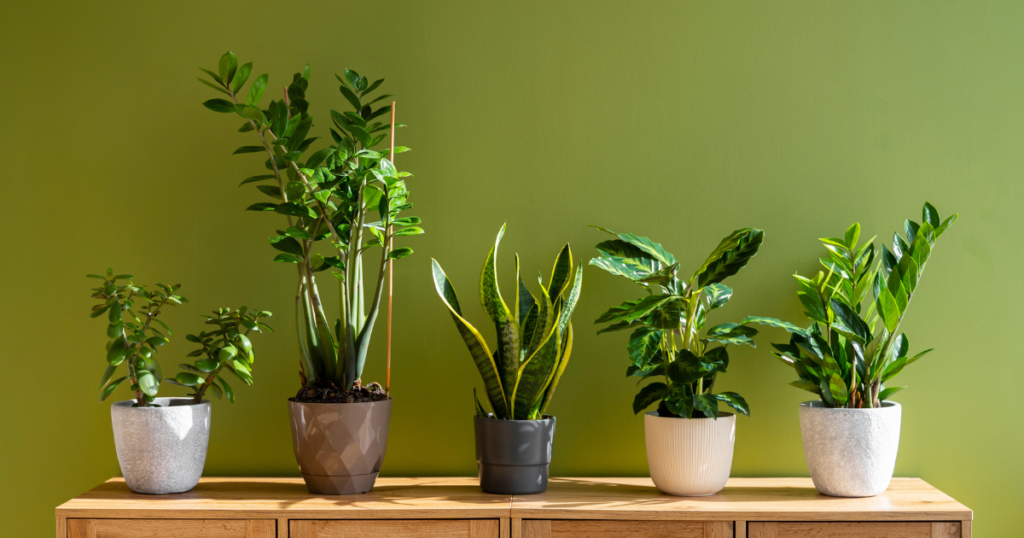
14 Indoor Plants That Bring Health Benefits and Create a Fresh Green Home
There is something naturally comforting about bringing greenery into your home. A few leafy plants can instantly make a room feel calmer, fresher, and more welcoming. Beyond their beautiful appearance, many indoor plants can also contribute to a more pleasant living environment and encourage us to create a healthier connection with nature.
If you are looking for indoor plants that bring health benefits, you have plenty of beautiful options to choose from. From easy-care snake plants to fragrant lavender, indoor greenery can complement almost any home style while adding a relaxing, natural atmosphere.
The key is choosing plants that suit your home’s lighting, temperature, available space, and daily routine. Once you find the right plants, you can arrange them thoughtfully to transform your home into a cozy green retreat.
Why Bring Indoor Plants Into Your Home?
Indoor plants are more than decorative accessories. They can make a home feel more connected to nature and create a peaceful atmosphere, especially in rooms surrounded by furniture, technology, and artificial materials.
Plants can also encourage us to slow down. Watering, pruning, cleaning leaves, and watching new growth can become simple little rituals that make everyday life feel more intentional.
Some plants are also associated with indoor air-quality benefits or pleasant fragrances. However, plants should not be considered a replacement for good ventilation or air filtration.
Whether you live in a spacious house or a small apartment, there is an indoor plant for almost every corner.
1. Snake Plant
The snake plant, also known as Dracaena trifasciata, is one of the most popular indoor plants. Its tall, upright leaves create a clean and modern look, making it especially suitable for minimalist, contemporary, and Scandinavian-inspired interiors.
Benefits of Snake Plants
One of the biggest benefits of snake plants is that they are extremely easy to care for. They can tolerate relatively low light and do not need frequent watering, making them a great choice for busy homeowners and beginners.
Snake plants have also been studied for their ability to remove certain indoor air pollutants under controlled conditions. However, in a typical home, their air-cleaning effect is modest compared with good ventilation and dedicated air filtration.
Their upright shape also adds visual height without taking up much floor space, making them practical for apartments and smaller rooms.
How to Maintain It
Place your snake plant somewhere with indirect light. Allow the soil to dry between waterings and avoid keeping the roots constantly wet.
Use a pot with drainage holes and avoid watering too frequently, as excessive moisture can lead to root problems.
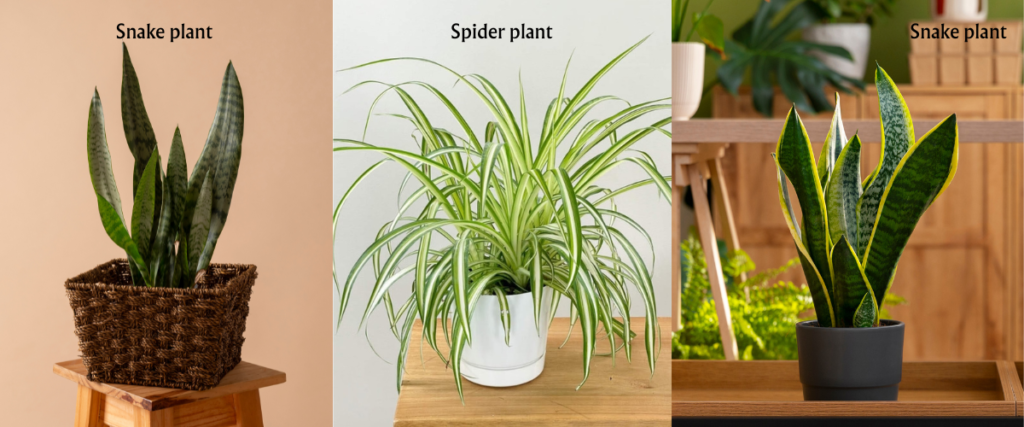
2. Spider Plant
Spider plants are cheerful, easy-going plants with long green-and-white leaves that gently spill over the sides of their pots. Their soft, flowing shape makes them excellent for shelves, hanging planters, and small tables.
Benefits of Spider Plants
Spider plants can help make a room feel fresher and more natural while adding attractive greenery without requiring much space.
They are also relatively easy to grow and can produce small plantlets, making them fun for people who enjoy watching plants grow and multiply.
Their lush, arching leaves can soften rooms dominated by straight furniture lines, helping create a more relaxed visual environment.
How to Maintain It
Spider plants prefer bright, indirect light but can adapt to moderate lighting conditions. Water when the top layer of soil feels dry.
Remove brown or damaged leaves occasionally to keep the plant looking fresh. Make sure the container has good drainage.
3. Peace Lily
Peace lilies are known for their elegant dark green leaves and delicate white flowers. Their graceful appearance makes them a lovely choice for living rooms, bedrooms, and quiet reading corners.
Benefits of Peace Lilies
Peace lilies are commonly associated with indoor air-cleaning benefits based on laboratory research. While a few plants cannot replace ventilation or an air purifier, they can still contribute to a pleasant and natural indoor environment.
Their green foliage and white flowers can also create a calming visual atmosphere, making them attractive additions to spaces where you want to relax.
How to Maintain It
Peace lilies prefer bright, indirect light and evenly moist soil. Avoid placing them in strong direct sunlight because their leaves can become damaged.
They often droop noticeably when they need water, giving beginners a useful visual reminder. Water thoroughly but allow excess water to drain away.
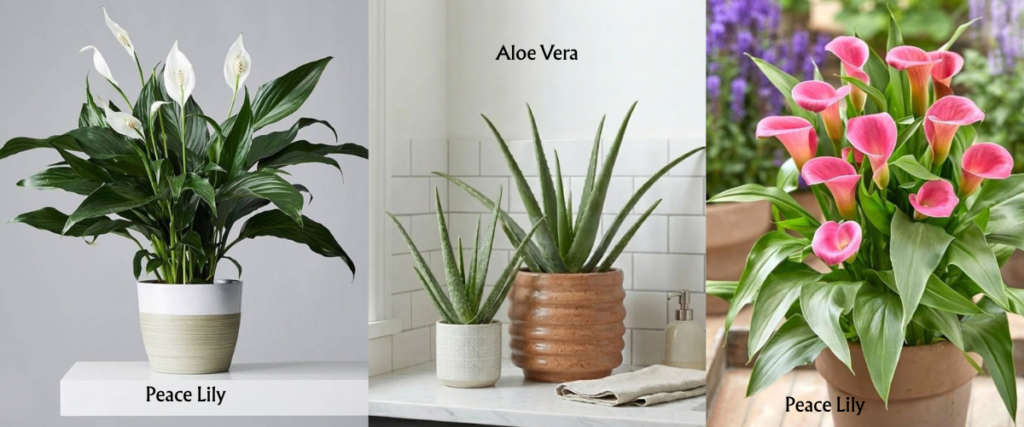
4. Aloe Vera
Aloe vera brings a touch of nature into the home with its thick, architectural leaves. Its sculptural appearance works especially well in kitchens, sunny windowsills, and bright living spaces.
Benefits of Aloe Vera
Aloe vera is best known for the gel contained inside its leaves, which has long been used in skincare and various traditional applications.
The plant also provides attractive greenery while requiring relatively little watering. Its compact, sculptural form makes it useful for adding a natural accent without overwhelming a room.
Aloe vera should not be relied upon as a treatment for medical conditions, and consuming aloe products requires particular caution.
How to Maintain It
Aloe vera likes plenty of bright light and well-draining soil. Let the soil dry thoroughly before watering again.
A pot with drainage holes is essential because overwatering can damage the roots.
5. English Ivy
English ivy has trailing vines that can create a romantic, cottage-inspired atmosphere. Its cascading growth makes it particularly attractive for shelves and hanging planters.
Benefits of English Ivy
English ivy adds abundant greenery and can make rooms feel more connected to nature. Its trailing form is especially useful for softening hard architectural lines.
English ivy has also been investigated for its ability to reduce certain airborne pollutants in controlled environments. However, its real-world impact in an ordinary home is limited, so good ventilation remains important.
How to Maintain It
English ivy prefers bright, indirect light and moderately moist soil. Regularly check the leaves for pests and trim excessive growth to maintain its shape.
Avoid keeping the soil constantly saturated.
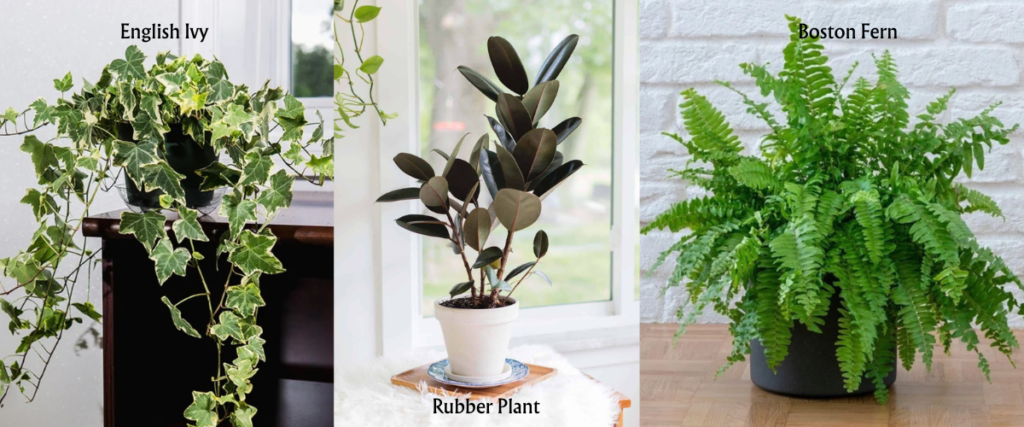
6. Rubber Plant
With its large, glossy leaves, the rubber plant can become a beautiful focal point in a room. It works particularly well in spacious living rooms where a larger plant can fill an empty corner.
Its bold foliage pairs beautifully with natural materials such as wood, rattan, linen, and bamboo.
Benefits of Rubber Plants
Rubber plants bring substantial greenery into a room, which can help create a visually relaxing and nature-inspired environment.
Their large leaves also make them effective decorative statement pieces. Instead of adding many small decorations, one healthy rubber plant can provide height, texture, and natural character.
Like several other houseplants, rubber plants have demonstrated air-pollutant removal abilities under controlled conditions, but good ventilation remains much more important for maintaining indoor air quality.
How to Maintain It
Give your rubber plant bright, indirect light and water when the upper portion of the soil has dried.
Wipe the leaves occasionally with a soft, damp cloth to remove dust and keep the foliage looking fresh.
7. Boston Fern
If you love a lush, abundant green look, consider a Boston fern. Its feathery fronds create a soft and refreshing appearance that works beautifully in cozy interiors.
Benefits of Boston Ferns
Boston ferns can add a sense of lushness and natural texture to a room. They also release water vapor through transpiration, which can contribute modestly to humidity around the plant.
This can make them visually and atmospherically appealing in homes with dry indoor conditions, although a humidifier may be more effective if humidity needs to be substantially increased.
How to Maintain It
Keep the soil consistently moist without allowing the pot to sit in water. Provide indirect light and reasonable humidity.
Avoid placing a Boston fern in a location with harsh, direct sunlight or very dry air.
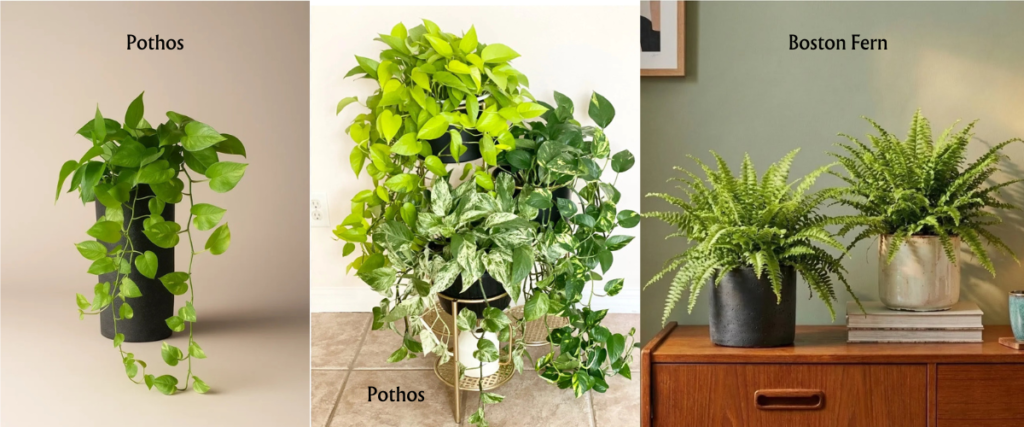
8. Pothos
Pothos is another excellent option for beginners. Its heart-shaped leaves and trailing vines can quickly create a lush appearance.
It comes in several attractive varieties, including green, golden, and variegated foliage, allowing you to choose a look that matches your interior.
Benefits of Pothos
The biggest benefit of pothos is its combination of attractive appearance and relatively easy care.
It can help bring more greenery into small homes because it can grow vertically or trail from shelves. Caring for it can also become a simple, relaxing routine.
Pothos has been included in laboratory research on air-pollutant removal, although ordinary household plants should not be considered a substitute for ventilation or air filtration.
How to Maintain It
Pothos can tolerate moderate to bright indirect light. Allow the soil to dry somewhat between waterings.
Trim long vines when necessary to encourage a fuller appearance.
9. Areca Palm
For a tropical green vibe, an areca palm can make a room feel like a relaxing indoor garden. Its feathery fronds bring movement and height to an interior.
Benefits of Areca Palms
Areca palms can make a room feel more spacious, tropical, and relaxing because of their tall growth and abundant foliage.
Like other leafy plants, they release moisture through transpiration, although their impact on overall indoor humidity depends on factors such as plant size, room size, temperature, and ventilation.
Their height also makes them useful for creating a strong natural focal point in larger spaces.
How to Maintain It
Areca palms generally prefer bright, indirect light and evenly moist soil. Avoid prolonged dryness and waterlogged soil.
Give the plant enough room for its leaves to spread naturally.
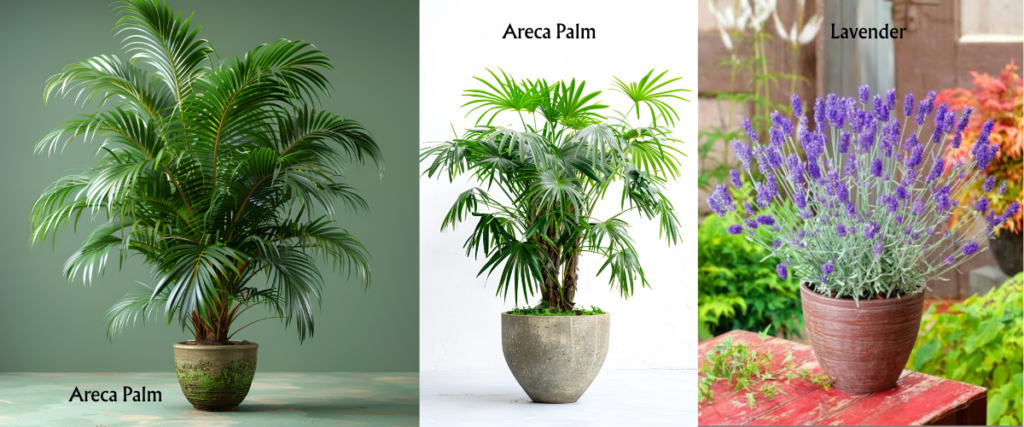
10. Lavender
Lavender is a wonderful choice if you want greenery combined with a pleasant natural fragrance. Its purple flowers and silvery-green foliage can create a peaceful atmosphere.
Benefits of Lavender
The biggest benefit of lavender indoors is its pleasant fragrance. Lavender’s aroma is often associated with relaxation, and some research has explored its potential effects on stress and sleep.
Its beautiful purple flowers can also make a room feel softer and more inviting.
However, fragrance preferences vary, and lavender needs plenty of sunlight to thrive indoors.
How to Maintain It
Give lavender plenty of sunlight and use well-draining soil. Allow the soil to dry between waterings.
Good air circulation is also helpful, particularly in humid environments.
11. Jade Plant
Jade plants have thick, rounded leaves and sturdy stems that give them a miniature tree-like appearance. They are attractive on desks, shelves, windowsills, or small side tables.
Benefits of Jade Plants
Jade plants are relatively easy to maintain and can live for many years when properly cared for. Their compact size makes them ideal for people who want greenery without using much space.
Their thick leaves and tree-like form also add interesting texture and structure to a plant collection.
For people new to indoor gardening, a jade plant can be a satisfying choice because its care routine is relatively simple.
How to Maintain It
Jade plants prefer bright light and well-draining soil. Let the soil dry between waterings and make sure excess water can drain away.
Avoid leaving the roots in standing water.
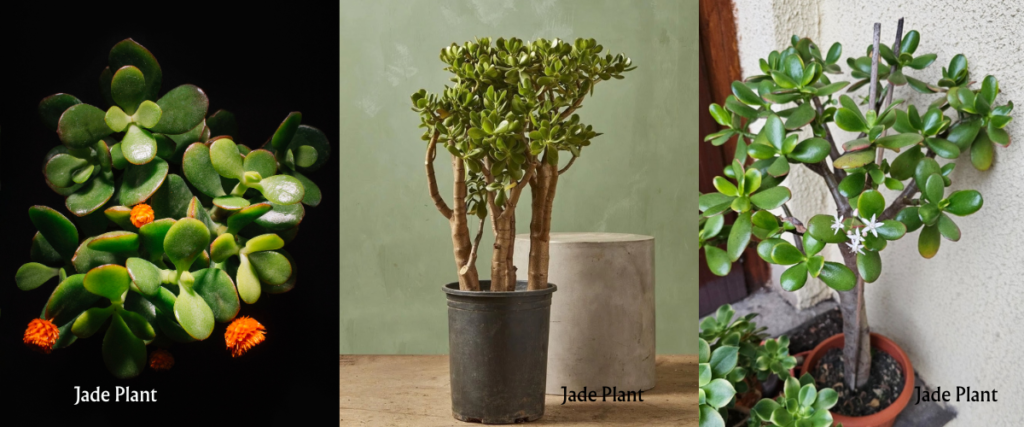
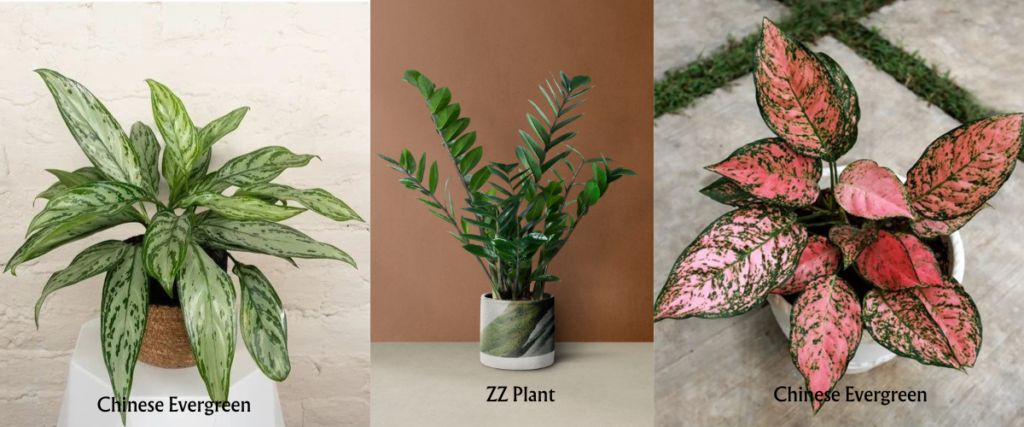
12. Chinese Evergreen
Chinese evergreen is popular because of its attractive foliage and ability to tolerate lower-light indoor environments. Different varieties feature interesting combinations of green, silver, and patterned leaves.
Benefits of Chinese Evergreen
Its biggest benefit is its adaptability. Chinese evergreen can bring attractive greenery into areas where many sun-loving plants may struggle.
Its patterned leaves also provide visual interest without requiring additional decorations.
Like several common houseplants, it has been studied for potential air-cleaning properties under controlled conditions, but it should not replace good ventilation.
How to Maintain It
Use indirect light and allow the soil to partially dry between waterings. Avoid keeping the roots constantly wet.
Keep it away from harsh direct sunlight, especially for varieties with more delicate foliage.
13. ZZ Plant
The ZZ plant has smooth, shiny leaves and a naturally structured appearance. It is one of the easiest plants for people who occasionally forget to water their greenery.
Benefits of ZZ Plants
The main benefit of the ZZ plant is its durability and low-maintenance nature. It can tolerate lower-light conditions and periods of dryness better than many houseplants.
This makes it ideal for busy households, beginners, offices, and rooms that do not receive abundant natural light.
Its glossy foliage also adds a polished, contemporary appearance to interiors.
How to Maintain It
ZZ plants prefer indirect light and relatively dry conditions between watering. They can tolerate lower light, although growth may be slower.
Allow the soil to dry before watering again and make sure the pot drains well.
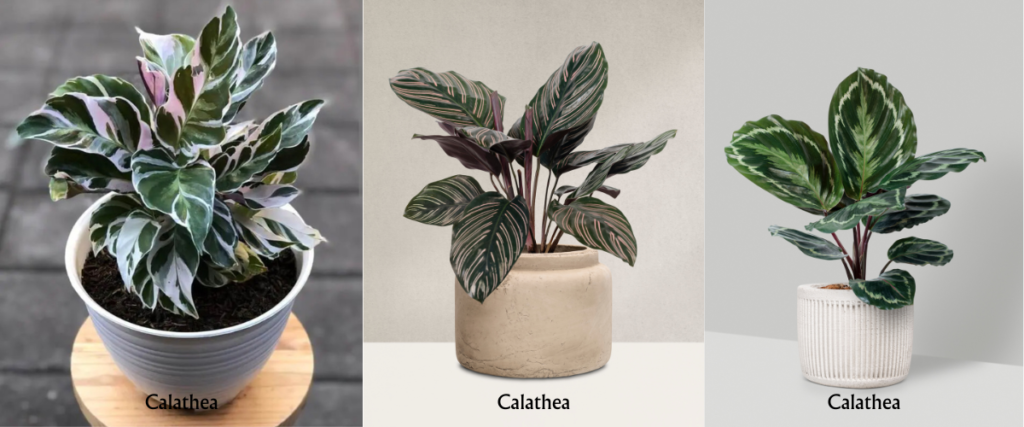
14. Calathea
Calatheas are loved for their beautifully patterned leaves. Their foliage can bring personality and visual interest to a quiet corner of your home.
Benefits of Calatheas
Calatheas are primarily valuable for their decorative and calming visual qualities. Their detailed leaf patterns can make a room feel more colorful and alive without adding artificial decorations.
They also tend to appreciate higher humidity, which makes them an interesting choice for creating a lush indoor-garden atmosphere.
Their changing leaf positions throughout the day can also add an interesting natural element to your living space.
How to Maintain It
Calatheas generally prefer indirect light, consistent moisture, and higher humidity.
Keep them away from harsh direct sunlight and avoid letting the soil become completely dry for long periods.
How to Arrange Indoor Plants for a Beautiful Green Vibe
Choosing plants is only half the fun. The way you arrange them can completely change the atmosphere of your home.
Create Different Levels
Instead of placing every plant on the floor, create different heights. Combine tall plants, tabletop plants, hanging plants, and trailing varieties.
For example, you could place a tall rubber plant in a corner, a pothos on a shelf, and a small aloe vera plant on a coffee table.
This creates depth and makes your greenery feel more natural.
Use Natural Materials
Wood, rattan, bamboo, linen, ceramic, and woven baskets pair beautifully with indoor plants.
A simple green plant in a textured ceramic pot can make a room feel warmer without adding too much decoration.
Group Plants Together
Instead of scattering small plants randomly around the room, create a small indoor garden by grouping several plants together.
Choose plants with different leaf shapes and heights while keeping the overall color palette harmonious.
A cluster of three or five plants can look more intentional than placing individual plants everywhere.
Decorate Empty Corners
An empty corner is an opportunity to create a beautiful green moment.
Place a tall plant in a decorative planter and add a small stool, basket, or floor lamp nearby. The result can become a cozy little corner without requiring a major room makeover.
Use Shelves for Small Plants
Shelves are perfect for small plants such as pothos, spider plants, jade plants, and Chinese evergreens.
Mix plants with books, candles, ceramics, and other simple accessories to create a layered but uncluttered display.
Add Hanging Plants
Hanging planters are useful when floor space is limited. Trailing varieties such as pothos, spider plants, and English ivy can create beautiful vertical greenery.
Make sure hanging plants receive appropriate light and are securely positioned.
Match Plants With Your Lifestyle
The most beautiful plant is not necessarily the best plant for your home.
If you have a busy schedule, choose low-maintenance plants such as snake plants, ZZ plants, or pothos. If you enjoy caring for plants, you may prefer varieties that require more attention, such as ferns or calatheas.
Also consider natural light. A plant that loves bright sunlight may struggle in a dark hallway, while a shade-tolerant plant may be happier there.
Simple Indoor Plant Care Tips
Even the easiest plants need basic care. Start by understanding the amount of light each plant needs.
Check the soil before watering. Don’t automatically water every plant on the same schedule. Different plants have different moisture requirements.
Choose pots with drainage holes. Good drainage helps prevent waterlogged roots.
Clean dusty leaves. Gently wiping broad leaves can keep plants looking fresh and attractive.
Rotate your plants. Turning pots occasionally can encourage more even growth.
Inspect for pests. Look underneath leaves and around stems when caring for your plants.
Remove damaged leaves. Regular pruning keeps your indoor garden looking neat and healthy.
Give plants enough space. Avoid overcrowding plants because good airflow can help reduce problems associated with excessive humidity and poor circulation.
Pay attention to light. If a plant starts looking weak, pale, or stretched, its lighting conditions may need to be reconsidered.
Turn Your Home Into a Cozy Indoor Garden
Creating a green home does not mean filling every room with plants. A few thoughtfully chosen varieties can be enough to make your space feel fresher, softer, and more connected to nature.
Whether you prefer the sculptural shape of a snake plant, the cascading leaves of pothos, the tropical character of an areca palm, the glossy foliage of a rubber plant, or the fragrant beauty of lavender, indoor plants that bring health benefits can become an important part of a comfortable home.
The benefits of indoor plants go beyond decoration. Depending on the plant, they can provide natural beauty, pleasant fragrances, modest contributions to humidity, an opportunity to connect with nature, and a relaxing plant-care routine. Some have also demonstrated air-pollutant removal abilities in controlled research, although plants should never replace proper ventilation or air filtration.
The best indoor plants are ultimately the ones that fit your lifestyle and your home. Consider the amount of natural light, humidity, available space, and time you can dedicate to maintenance before choosing your plants.
Start small. Choose one plant for a sunny windowsill, another for an empty corner, and perhaps a trailing plant for a shelf. Over time, your collection can naturally grow into a cozy indoor garden that reflects your personality.
After all, a comfortable home is not only about beautiful furniture and decorations. Sometimes, a little greenery is what makes a space truly feel alive.